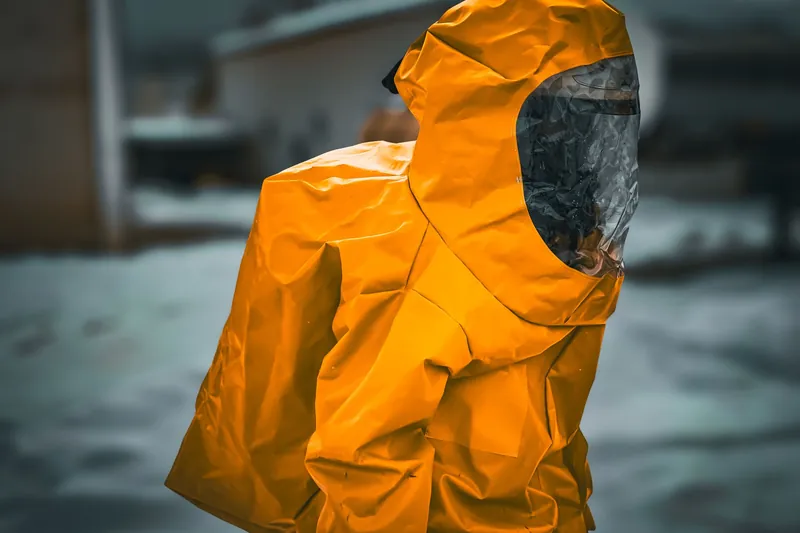
Biohazard Cleanup
Any property receives disinfection after removal of infectious materials, including bodily fluids and blood.
See biohazard cleanupDo not touch contaminated materials before getting guidance, and prevent people from entering the affected area. During biohazard decontamination, unsafe items are removed and salvageable surfaces are cleaned with the proper disinfectant. Waste, odors and air quality are also addressed so your next decision is based on clear information.
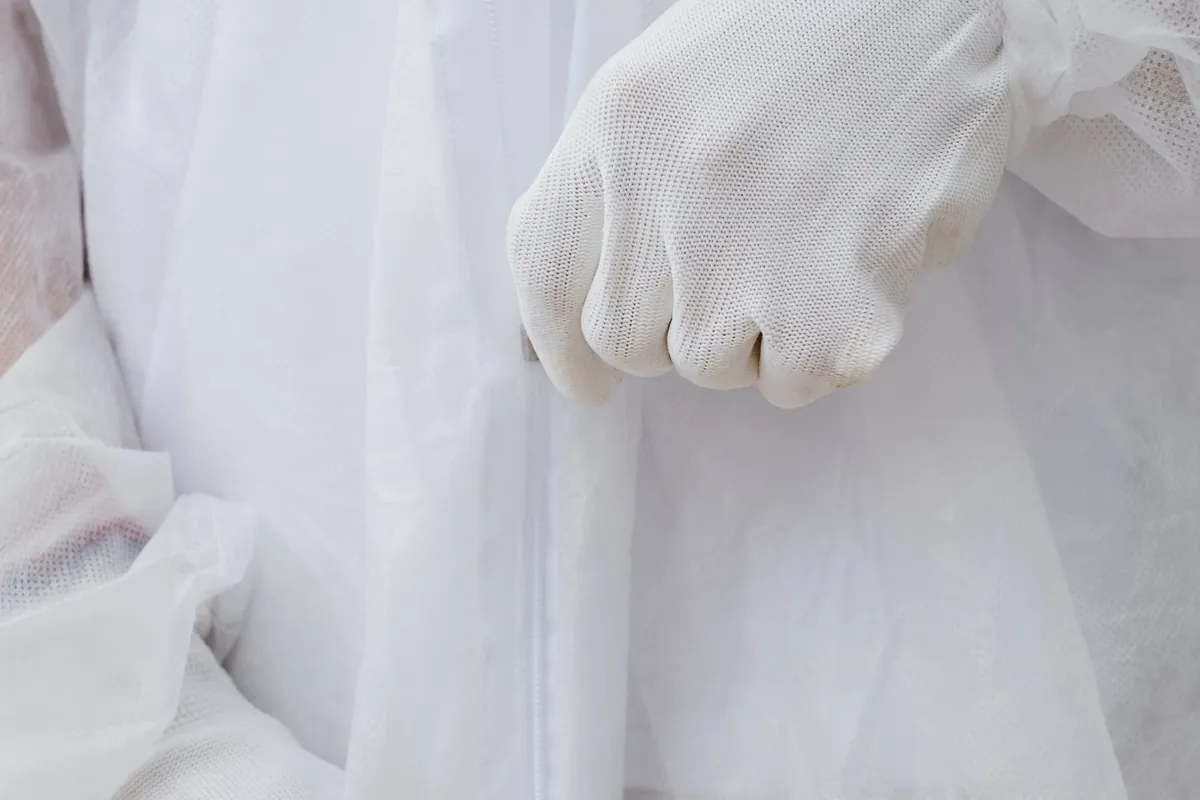
Biohazard remediation is a controlled process for taking biological contamination out of a property. It continues with cleanup, disinfection and proper disposal, followed by a close inspection before the affected area returns to ordinary use.
This type of work can be necessary after exposure to bodily fluid or blood, severe hoarding, a trauma scene, infectious illness, an unattended death or backed-up sewage. Visible dirt is the focus of ordinary cleaning. Biological remediation looks farther, following possible spread through cracks, seams, absorbent materials and adjacent areas reached through tools, shoes or moving air.
A full cleanup begins by isolating contaminated work space from clean areas. Trained technicians wear protective equipment, discard hazardous material that cannot be disinfected and clean away visible soil. Next, they apply an EPA-registered disinfectant and observe all of the label's contact time. The company carrying out biohazard remediation should walk you through each stage. Depending on the scope, technicians may sort personal property, filter the air, treat odors, package hazardous waste and prepare documentation for a property owner or insurance company.
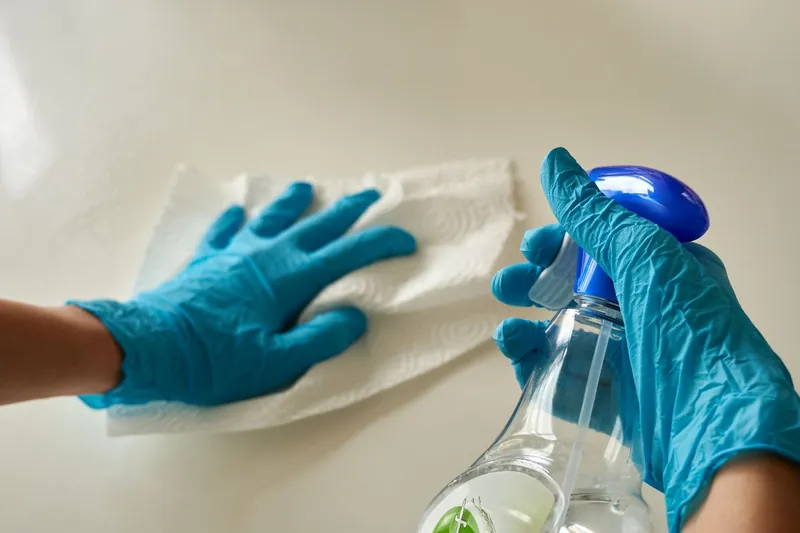
Photos, documents, keepsakes and other meaningful personal property can be separated and discussed with you before a removal decision is made.
Before cleanup starts, you can discuss included spaces, planned cleaning, possible removals and circumstances that might alter the work scope.
To help you move forward with restoration services, photographs, inventories, work notes and disposal documents can be arranged for the landlord, adjuster or property record.
When you compare biohazard remediation companies, ask whether cleanup crews arrive in unmarked vehicles, limit unnecessary attention and keep the work area contained.
When routine cleaning cannot resolve a health concern created by biological material, the situation may call for emergency response cleanup service. Each case requires its own cleaning approach. Examples commonly include:
When fluid reaches carpet pad, grout, unfinished wood, wall openings or furniture joints, blood cleanup may cover more than the visible stain.
Biohazard precautions may be necessary during hoarding cleanup when bodily fluids, sewage, spoiled items, sharps or human or animal waste are present.
Sewage qualifies as Category 3 black water. Extraction, porous material removal, surface cleaning, disinfection and drying may all be part of cleanup.
An unattended death can affect finishes, contents and indoor air, so the work may combine removal, disinfection and odor treatment.
Your safest first move is to stop traffic through the affected area. A few simple steps can reduce exposure and preserve useful information for the cleanup plan:
Call (888) 440-9227According to published biohazard cleanup guides, $3,000 to $5,000 is the typical national range. Their reported residential average is $1,800 to $4,500. A different company pricing guide lists amounts from $1,000 to $15,000. These amounts are for planning and do not constitute a quote. Price varies with the contaminant, the space and surfaces involved, waste requirements and any testing after the cleaning work.
Published national cost guides are the source for these ranges, rather than an inspection of your property. You learn what your property will cost after the on-site assessment and before any work begins.
Ask about cost: (888) 440-9227Insurance may cover biohazard cleanup when the cause is included in your policy, but coverage, deductibles and required records vary by policy and event.
Responsibility can depend on the lease, the location of the contamination and its cause. Property owners should document the conditions, then examine insurance terms before they authorize non-urgent restoration.
Report the incident, when it came to your attention and every known affected area to your insurance company. Ask whether mitigation, removal, cleaning and restoration are separate parts of the claim.
Victims of violent crime can ask the Kentucky Crime Victims Compensation Board about cleanup. State law lists crime scene cleanup at the victim's home or business, with a short time limit, so ask early. Insurance is usually checked first.
Check with your adjuster about required invoices, photos, property lists, scope documentation and waste paperwork. Put the claim number and contact details in one place.
The entire process moves from assessment to source removal, detailed cleaning and a final inspection. Biohazard cleanup involves a different plan for each contaminant, surface and property condition. Cleanup crews should explain every step before technicians enter the work zone.
Technicians identify the source, affected areas, travel paths, porous materials and safety concerns, then explain the proposed scope to you.
Crews isolate the work area from unaffected rooms, restrict entry and choose personal protective equipment suited to the identified hazards.
Contaminated carpet, padding, drywall, insulation or contents that cannot be fully cleaned are carefully removed, packaged and labeled.
Workers first clean away visible matter so the disinfectant can touch the surface directly and perform according to its label.
Salvageable surfaces are treated with an EPA-registered disinfectant that is suitable for the material and left wet for the listed contact time.
Removing the source happens first. Afterward, HEPA filtration and additional odor techniques may reduce lingering smells and airborne particles within the contained area.
Packaged hazardous waste follows applicable transport and disposal rules, while photos and scope records can support property and insurance files.
The cleaned area is inspected, optional verification methods are discussed and any removed drywall, flooring or finishes can be listed for later restoration.
Call any hour. Your biohazard decontamination specialist answers the phone, describes what happens next and works with you on a start time.
Serious health risks can result from biological contamination entering the nose, mouth or eyes, or contacting skin that is broken. Its complete path is not always visible in the affected area.
Fluids may soak beneath the face of upholstery, carpet, padding, drywall and bare wood. Cleaning only the surface leaves trapped material untouched.
Needles, broken glass and contaminated debris can cause punctures. You must follow the relevant material rules for waste separation, packaging and management.
Blood can contain bloodborne pathogens. The CDC says hepatitis B can survive on surfaces for at least seven days, so dried material still calls for care.
Can you clean it yourself? Only consider cleaning a limited amount from a firm, non-porous surface when the substance is known, proper gloves are available and you can follow the entire EPA-registered disinfectant label. Stay away and request professional cleanup guidance when you cannot identify the source or affected area, a sharp is involved or liquid has entered porous material.
A surface stays when it can be reached, cleaned and disinfected as required. Material is removed when contamination soaked inside it or safe access is not possible.
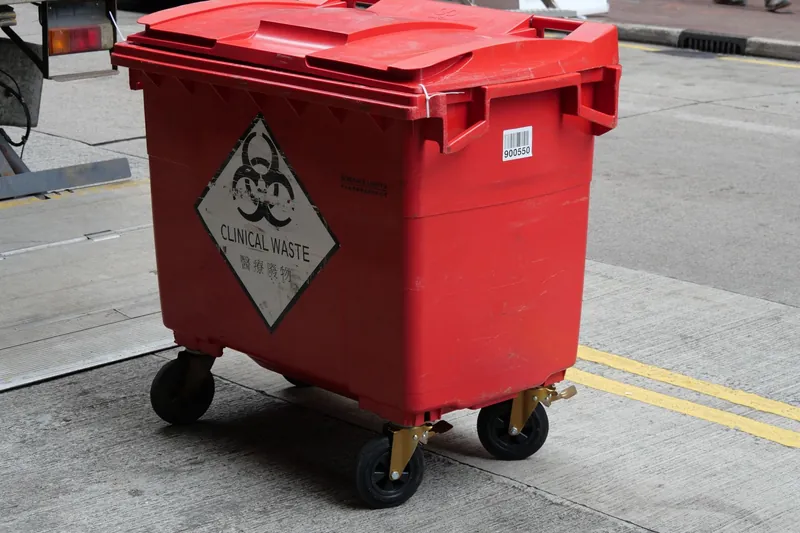
Biohazard cleanup duration depends on more than the type of event. After the assessment, the schedule reflects the size of the affected area, involved materials, waste amount, site access, necessary drying and any verification work.
| Scene | Typical time on site |
|---|---|
| Contained surface contamination | Usually the shorter schedule when the source is known and no porous material is affected |
| One room or several containing porous materials | Additional time goes toward containment, detailed cleaning, selective removal and waste packaging |
| Widespread or hidden contamination | Work involving sewage, belongings, floor materials, wall spaces, odor or restoration takes longer |
Effective odor control begins with locating contaminated material and taking it out. Spraying the surface or adding fragrance may briefly mask the smell, but neither reaches residue under carpeting, in wall openings or inside absorbent belongings. Air treatment can have a lasting effect only after the hidden source has been addressed.
After source removal and cleaning, HEPA air scrubbers can capture airborne particles in the contained area. Other odor methods may be considered for remaining conditions, but they do not replace cleaning or disinfection. HVAC registers and nearby rooms should be included in the assessment when odor or particles may have moved beyond the original space.
The full biohazard decontamination guide covers what is cleaned or removed, odor and air quality work, and the rules that apply in Kentucky and Fayette County.
Read the full biohazard decontamination guideLocal housing, population and access details can shape containment, access and cleanup planning.
Saint Joseph Hospital is about 1.3 miles from Mitchell Avenue, which is useful to know when an exposure or injury needs medical attention.
Mitchell Avenue is near Picadome, harrods-park-townhouse, and Twin Oaks, which can matter when family members are arriving from surrounding communities.
Properties within this Lexington neighborhood may share alleys, entries, or parking, so equipment movement should be planned around nearby residents.
Your phone conversation can include questions about service in nearby ZIP codes and communities.
Any property receives disinfection after removal of infectious materials, including bodily fluids and blood.
See biohazard cleanup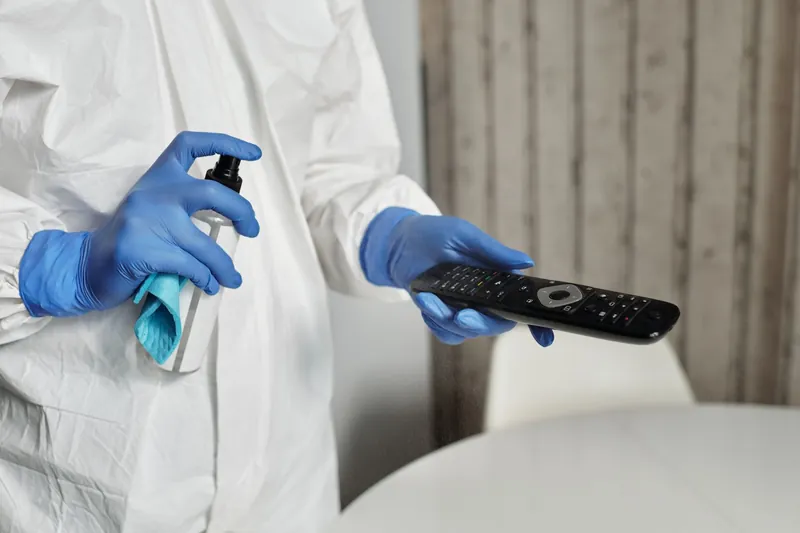
A contaminated space is restored to safe use through biological remediation and contaminant removal.
See biohazard remediation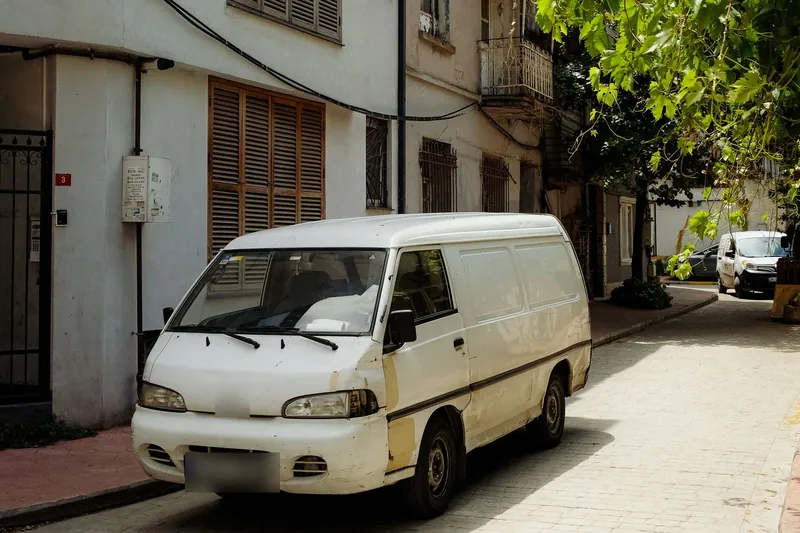
Biohazard cleanup that starts as soon as a scene is released, day or night.
See emergency 24/7 biohazard cleanup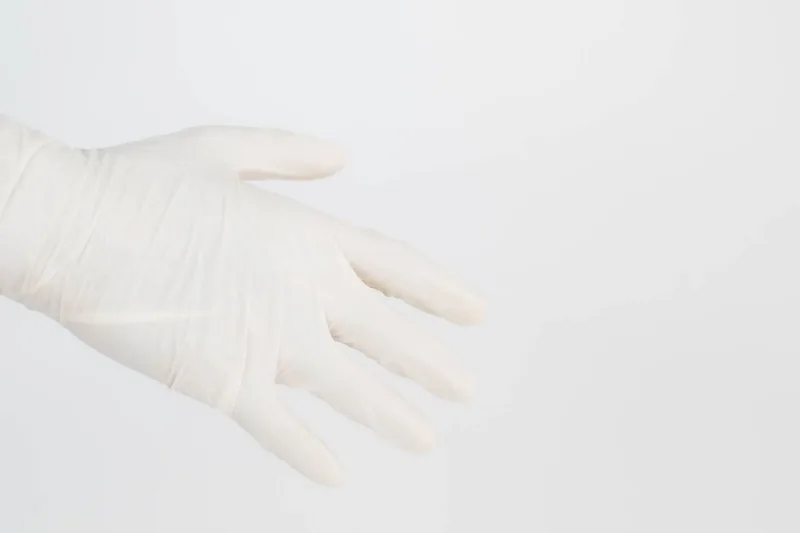
Cleanup that controls hepatitis B, hepatitis C and HIV exposure from blood.
See bloodborne pathogen cleanup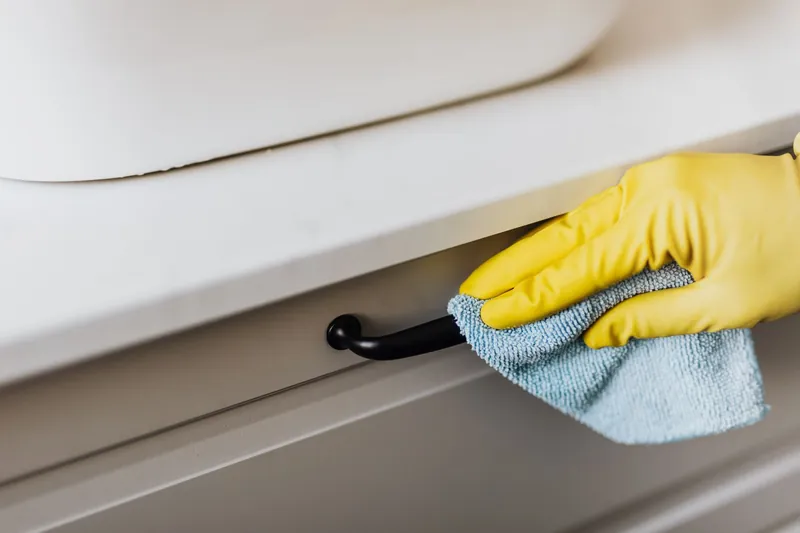
Across care settings, commercial spaces and homes, bodily fluid cleanup includes disinfection.
See bodily fluid cleanup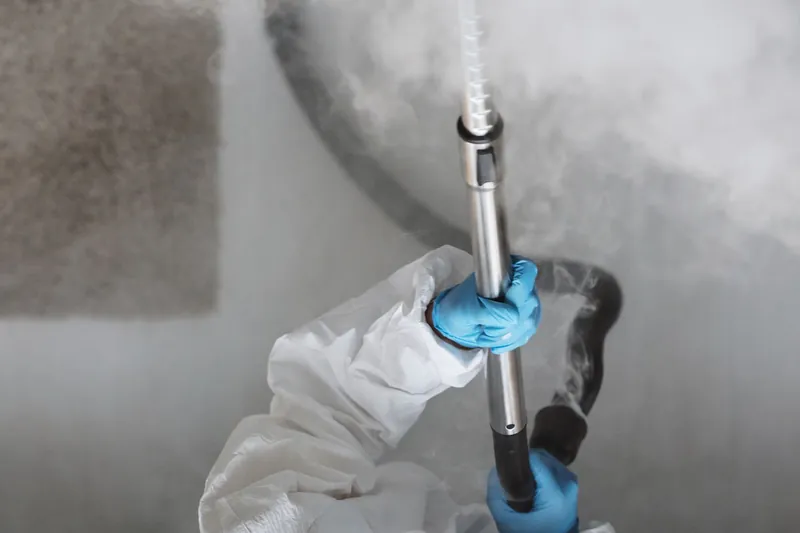
EPA-registered products are applied across all surfaces during infectious disease disinfection.
See infectious disease disinfection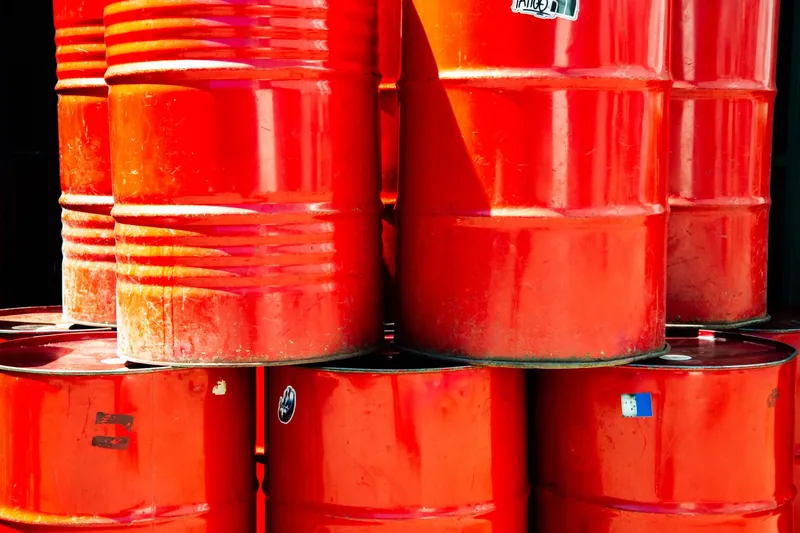
Sealed containers with labels hold biohazard waste during collection and disposal.
See biohazard waste disposal
Raw sewage cleanup treats Category 3 black water and includes both drying and disinfection.
See raw sewage cleanupBegin by staying away from direct contact and keeping others outside the affected area. Never vacuum, sweep or shift items with contamination. A plan may pair protective equipment and containment with cleaning, removal of the source, disinfection guided by the label and proper waste disposal. The controls should match the material and the way it may have spread.
No. Chemical irritants include pepper spray and tear gas. Biohazard remediation instead treats sewage, blood, bodily fluids and other biological contamination. A site may contain chemical irritants and biohazards following law enforcement action, but you need contaminant-specific protective equipment, cleaning agents, waste management and ventilation rather than a single approach.
Published guides vary widely because the work can range from a contained surface event to removal across several rooms. Costs vary with the kind of contamination, area size, affected materials, waste disposal needs and testing. An on-site assessment is needed to define the scope. The cost cards above give sourced ranges for planning, but they are not a quote specific to your site.
A schedule can be determined once the affected areas and materials have been evaluated. Cleanup is quicker for an isolated incident on washable surfaces than for contamination spanning multiple rooms or reaching beneath floors and within walls. The amount of waste, required drying, odor treatment, site access and verification procedures can also change when normal use resumes.
It may, depending on the cause of the contamination and the terms of your policy. Explain what happened to your insurance company and ask about coverage for mitigation, cleanup, removal and restoration. Also ask which photos, records and approvals are required. Coverage caps and the amount of your deductible can influence your cost.
Materials are biological hazards when harmful organisms or substances those organisms produce could reach people. On a property, examples can include materials contaminated in certain infectious disease events, bodily fluids, animal waste, human waste, blood and sewage. The source, exposure pathway and affected surfaces determine the level of risk.
You can request respectful, discreet biohazard decontamination 24 hours a day, and crews use unmarked vehicles.